Should Children뭩 Art Be Displayed in Public Spaces?
Introduction
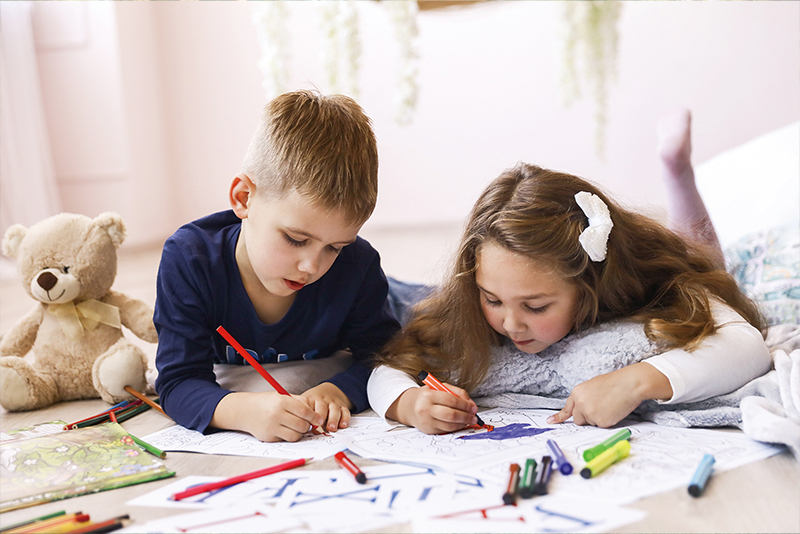
Children뭩 artwork is often displayed in schools, but some cities also feature it in parks, libraries, and other public places. Supporters say these works can brighten spaces and make children feel included. Others argue that public art must fit its surroundings and meet professional standards.
Constructive
Debater 1 Loren
Children뭩 art should be displayed in public spaces because it can make communities feel more welcoming and creative. Research suggests that bright colors, playful designs, and imaginative ideas can create positive emotions and make everyday places more enjoyable. Public spaces belong to everyone, including children, so their voices should be heard, too. Displaying their artwork in parks, libraries, hospitals, or community centers can build their confidence and encourage other young people to create. It also reminds adults that art does not need to be perfect to be meaningful.
Debater 2 Olivia
The aesthetics of public spaces should match their purpose and atmosphere, which means not every artwork will suit every location. Scribbles, cartoony designs, and overly bright colors may feel out of place in formal settings. Memorials, government buildings, and historic sites, for example, require a more serious tone. Children뭩 creativity can still be celebrated through school exhibitions, libraries, museum events, and temporary community displays. These spaces allow young artists to share their work while preserving the character and purpose of other public places.
Rebuttal
Debater 1 Loren
Professional standards matter, but they should not prevent children from contributing. Many cities already display community-made art during festivals, in subway stations, and at local parks without lowering the quality of their locations or events. Children뭩 artwork can reflect local culture, seasons, or neighborhood stories in ways adults may overlook. Public displays also show young people that their ideas matter beyond the classroom. When children feel included in their communities, they are more likely to care for and respect the shared spaces around them.
Debater 2 Olivia
Children deserve to share their creativity, but public art should be meaningful for people of all ages over many years. A drawing that appeals to one age group today may not have lasting value for the wider community. Public spaces are limited, so any art that adorns them should serve a long-term purpose. Children뭩 art is often most meaningful to the students, their families, and teachers who know the stories behind it. Keeping it in schools and similar settings preserves that personal connection while allowing young artists to be recognized.
Judge뭩 Comments
Both sides presented thoughtful arguments. Children뭩 art can make public spaces more welcoming and inspire creativity, but public displays should also meet the needs of the wider community. Ultimately, the best choice is artwork that suits its location, whether created by children or professionals."
May For The Junior Times junior/1785987400/1613368104
1. What basic items make up a simple skincare routine?
2. How much did teenage spending on cosmetics recently increase?
3. What specific products might actually irritate very young skin?
4. Who often promotes expensive new beauty products online today?
1. Does social media pressure teenagers to look physically perfect?
2. How can students build confidence without buying expensive cosmetics?
3. Why do many young people follow online influencer trends?
4. What is the most important part of personal hygiene?








































































 Introduction
 Rebuttal




