Rangaku, or 밆utch learning,� was a form of study that emerged in Japan to acquire Western knowledge in various academic fields. During the period of national isolation, sakoku, when the shogunate strictly forbade interactions with foreigners except through designated channels, Rangaku brought much-needed information about scientific innovations to Japanese scholars.
The impact of Rangaku was most evident in medical science. After confirming the accuracy of a Dutch anatomical book by attending the dissection of an executed criminal, Japanese scholars decided to translate the text into Japanese. The project took three long years to complete. This milestone, along with the world뭩 first surgery under general anesthesia in Japan, permanently transformed the nation뭩 scientific landscape.
Thus, when Commodore Perry arrived in 1853 to force Japan to open its doors, the Japanese were not entirely unfamiliar with advances in Western science. This knowledge helped them make the pragmatic decision to accept Perry뭩 demands, paving the way for rapid industrialization.
Hyundong Lee Staff Reporter junior/1785987400/1613367831
1. Which dynasty influenced the Joseon period for many centuries?
2. What war forced Russia to withdraw its Korean influence?
3. When did Japan strip the Korean Empire's diplomatic rights?
4. Who signed the formal annexation treaty in August 1910?
1. Why is it important to remember painful historical events?
2. How does studying past conflicts help shape our future?
3. What can nations learn from the tragedy of imperialism?
4. How should independent countries protect their valuable diplomatic rights?








































































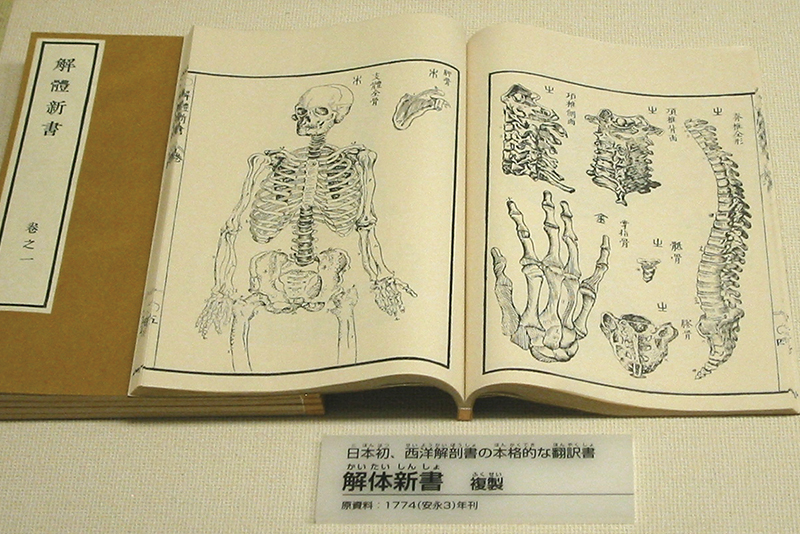 Rangaku, or 밆utch learning,� was a form of study that emerged in Japan to acquire Western knowledge in various academic fields. During the period of national isolation, sakoku, when the shogunate strictly forbade interactions with foreigners except through designated channels, Rangaku brought much-needed information about scientific innovations to Japanese scholars.




